
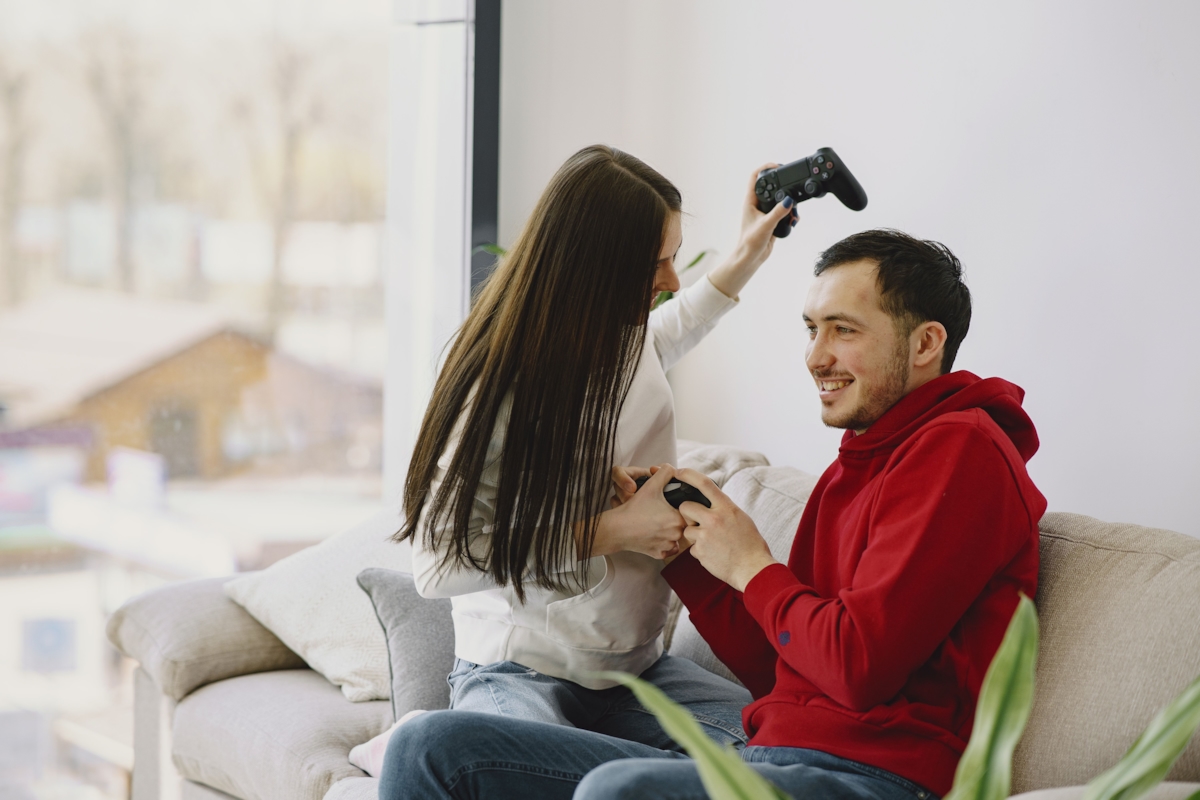
Plenty of happy couples are one gamer and one person who would rather read, run, cook or binge a series. Dating a non-gamer can work beautifully, as long as both of you understand what the hobby means and agree on how it fits into your life together. If you are the gamer in that relationship, the habits below help you explain why games matter, share time fairly and keep your hobby from turning into a recurring argument.
Why mixed couples are more common than you think
Gaming is mainstream now. Lots of adults play something, even if it is a word puzzle on the bus. But there is a big difference between playing for ten minutes and spending three evenings a week in a guild. A partner who does not share that habit is not anti-gaming. They just have not lived it. Most friction comes from that gap in understanding, not from the games themselves.
Explain the hobby in their language
Saying "I just like games" does not help someone who has never played. Instead, connect it to something they already understand.
- It is social. "Thursday raids are like my five a side team. I see the same friends every week."
- It is how I relax. "After work, a couple of matches is what a run or a bath is for you."
- It is a story. "This game is like a long series I have been following, and I want to see how it ends."
- It is a skill. "Ranked is like training for a race. I enjoy getting better."
When your partner can picture what the hobby gives you, it stops looking like you disappearing into a screen.
Be honest about how much you play
Early in the relationship, be clear about your normal week. If you play most evenings, say so. If you take a week off for every big release, say that too. Hiding it to look more available only leads to disappointment later. A non-gamer partner who knows the deal from the start can decide whether it suits them, and most people appreciate the honesty.
Then be willing to adjust. Relationships change routines. You might move one raid night, play later on weeknights or keep weekends mostly offline. Small changes show that you value the relationship as much as the hobby.
Agree on time together, time apart and time playing
A simple weekly rhythm helps a lot. For example: two evenings where you game with friends, one evening that is always date night, and the rest flexible. Put it in a shared calendar if that helps. The point is not to schedule everything, but to make sure nobody feels like they are competing with a game for attention.
Watch for the little things too. Answering a text during a long session, taking off your headset when they come home or pausing a single player game when they want to talk all show care. When a match cannot be paused, say how long is left and stick to it.
Invite them in, never push
Some non-gamers love being introduced to a game, as long as it is the right one and there is no pressure. Start with something gentle and cooperative. Stardew Valley, Unpacking, A Short Hike, Overcooked 2, Mario Kart, Animal Crossing and It Takes Two are popular starting points. Party games like the Jackbox packs work well with friends because everyone plays on their phone.
Let them choose. If they would rather watch you play a story game like watching a series, that is great too. If they do not want to play at all, accept it. Our guide on introducing gaming to a non-gamer partner goes into this in detail.
Join their world as well
Balance works both ways. If you expect your partner to sit through your favourite cutscene, be ready to go to their climbing gym, their book club or their sister's birthday. Show the same curiosity about their hobbies that you want for yours. Gamers are often brilliant at learning new systems, so treat their hobby like a new game and enjoy getting better at it.
Small gestures non-gamers notice
Partners who do not play often say the same things make a difference: being told when a session will end, being introduced to the people on the other end of the headset, and seeing the console switched off without being asked when they want to talk. None of these cost much. Together they turn your hobby from something that takes you away into something you are happy to share.
Remember the dates they care about too. A partner who feels remembered is far more relaxed about launch weekends.
Handling common sore spots
"You care more about the game than me." This is usually about feeling unseen, not about the game. Ask what would help them feel prioritised, and act on it.
Spending. Games, hardware and in-game purchases add up. If you share money, agree on a hobby budget. Our gaming budget tips for couples can help.
Late nights. If you share a bed, staying up until 2am every night affects both of you. Find a compromise, like a set wind down time on work nights.
Friends they have never met. Your online friends may feel invisible to your partner. Introduce them on a call or mention them by name. It makes your gaming life feel less like a secret club.
Big launches and events
Release days, seasonal events and tournaments can take over a week. Give your partner notice, plan something nice before or after, and keep your promises about time together. Read our guide on surviving a game launch with your partner for practical tips.
When it is not working
Sometimes a non-gamer partner simply wants a different kind of life, and that is nobody's fault. If you keep having the same argument, ask yourselves honestly whether you want the same things. And if gaming has started to crowd out sleep, work or friendships, it is worth looking at that for your own sake. How much gaming is too much? is a good place to start.
Or date someone who plays
Many gamers love dating non-gamers. Others would rather share the hobby from day one. If you want a partner who already understands raid nights, patch days and the joy of a perfect co-op run, Gamers Dating is built for you. Profiles show games, platforms and play style, and you can break the ice with voice notes in messages. Gamers Dating also welcomes people who play only casually, so you can find someone whose habits are close to yours without needing an identical library.
Dating a non-gamer questions
Can a gamer and a non-gamer have a good relationship?
Yes. It works when both people understand what the hobby means, agree on time together and respect each other's interests.
How do I get my partner into gaming?
Offer a relaxed co-op or party game, let them choose, and keep it fun. Never push. Some people prefer watching, and that is fine.
How much should I game if my partner does not?
There is no set amount. Talk about your normal week, agree on regular date nights and adjust if your partner feels left out.
Is it better to date another gamer?
Not necessarily. Shared hobbies help, but kindness, honesty and matching life goals matter more.