
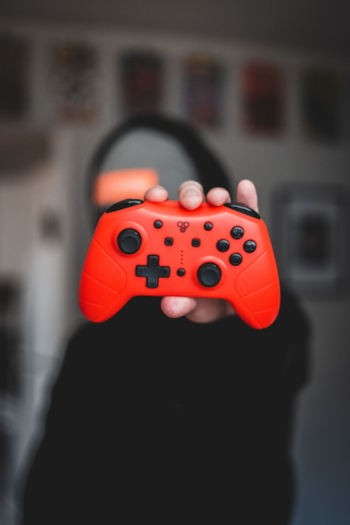
Gaming is a broadly positive context for finding a partner - the values gaming develops often make for excellent relationship qualities. But gaming culture also contains specific patterns that, when they show up in a relationship, are genuine warning signs. Knowing the difference between "charmingly into their hobby" and "this is going to be a problem" is worth doing early in the process.
They Rage - and Do Not Apologise for It
Frustration at games is normal and universal. Controllers get put down forcefully, colourful language happens, a single game session ends because the frustration outweighs the fun. None of this is a red flag. A red flag is uncontrolled rage - screaming, throwing things, sustained verbal aggression, or directing anger at other players in a way that seems to express genuine contempt rather than game-specific frustration.
The critical question is what happens afterward. A person who gets angry at a game, takes a breath, comes back to normal, and can laugh about it is demonstrating reasonable emotional regulation. A person who stays angry, refuses to reflect on the intensity of their reaction, or dismisses your concern about it ("it's just a game, it doesn't count") is telling you something important about how they manage frustration in contexts where the stakes are real.
They Treat Gaming Time as Non-Negotiable
Having a gaming schedule and protecting time for gaming is healthy and reasonable. Treating gaming time as completely non-negotiable - where any request to adjust, pause, or skip a session is met with genuine resentment or is simply refused - is a red flag about priority-setting in relationships more broadly.
The question to notice is whether gaming is in balance with relationship investment or whether it consistently takes priority over the relationship. A person who cancels plans to game, regularly chooses gaming over meaningful time together, or becomes hostile when gaming time is disrupted is showing you their hierarchy of priorities. That hierarchy does not disappear when the relationship becomes more serious - it typically becomes more entrenched.
Their Online Persona Is Very Different from Their Offline Self
Many people adjust their behaviour in online gaming contexts - more competitive, more vocal, more willing to be aggressive or crude in ways that feel distanced from their "real" identity. Some degree of persona difference between online and offline is normal. A large, consistent difference is worth paying attention to.
If someone is kind, thoughtful, and respectful in person but becomes genuinely cruel, misogynistic, or aggressive in online gaming spaces, they are not showing you two separate people - they are showing you one person with different inhibitions in different contexts. The online behaviour is not "not them"; it is a version of them with fewer social consequences for their natural impulses. That context is going to shift as your relationship creates situations with lower stakes for their worst behaviour.
They Dismiss Your Gaming Interests as Less Valid
Gaming culture has persistent hierarchies - "real gamers" vs. casual players, competitive vs. story players, PC vs. console - and some gamers have deeply internalised these hierarchies. If someone consistently dismisses or condescends toward your gaming interests because they do not fit their definition of serious gaming, that dismissiveness is not just a gaming opinion. It is a disposition toward your interests and your autonomy as a person.
A partner who tells you that Stardew Valley is "not a real game" or that your taste in games is inferior to theirs is revealing something about how they value your perspective generally. Gaming interests are just the visible surface; what is underneath is a tendency to rank your interests below their own. That tendency does not stay in gaming.
Gaming Is a Substitute for Real-World Engagement
Gaming is a hobby, not a lifestyle that replaces work, social connection, physical health, and relationship investment. When gaming consistently takes precedence over all of these things - when someone is not working because they are gaming, is socially isolated except through gaming, is neglecting their physical health, and is resistant to any conversation about this pattern - gaming has become something other than a hobby.
This is important to distinguish from someone who simply games a lot. Many people game heavily without it being a problem because they manage the rest of their life well. The red flag is specifically when gaming is consistently crowding out other necessary things and the person is unwilling to engage with that pattern honestly.
They Use Gaming as a Conflict Avoidance Mechanism
Gaming can be used to avoid difficult conversations, to physically and emotionally withdraw from relationship problems, or to signal displeasure without communicating it directly. When someone consistently turns to gaming after a conflict rather than engaging with it, uses gaming as a retreat from relationship difficulty rather than a leisure activity, or becomes impossible to reach during periods of relationship tension, gaming is being used as an avoidance strategy.
Avoidance of conflict is a relationship pattern that compounds over time. Problems that are not addressed do not go away - they accumulate. A partner who consistently uses gaming to avoid relational difficulty is establishing a pattern that makes it progressively harder to have the real conversations that relationships require.
Frequently Asked Questions
-
Is gaming addiction a real red flag in a relationship?
Genuine gaming addiction - where gaming is compulsive, crowding out all other life areas, and resistant to change even when it causes clear harm - is a real concern. The distinction from heavy recreational gaming is whether the person can moderate their play when circumstances require it, whether gaming is balanced with other life areas, and whether they are honest about the role gaming plays in their life.
-
Is it okay if my partner games more than me?
Absolutely. Different levels of gaming investment in a couple are common and manageable. What matters is that each person's gaming time is respected, that it is balanced with genuine shared time, and that neither person feels their interests are dismissively ranked below the other's.
-
What should I do if I notice a gaming-related red flag early in dating?
Take it seriously rather than explaining it away. Early dating is when people are typically presenting their best selves - patterns that appear early are usually more pronounced in an established relationship, not less. Name what you noticed, see how the person responds to being observed, and factor the response into your assessment of whether this person is who you want to be with.