
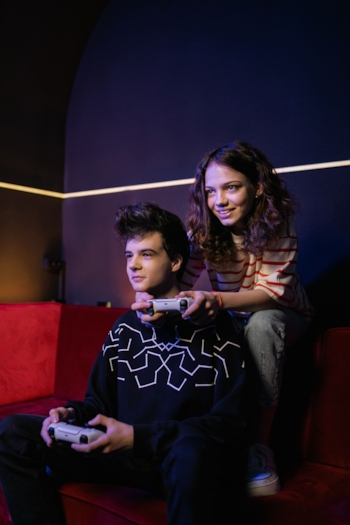
Gaming is one of the world's most popular hobbies, but the people who do it often don't announce it upfront - especially early in a relationship, when the stigma around gaming (fading as it is) can still feel like a risk. Whether you've just started seeing someone and have noticed a few clues, or you're well into a relationship and piecing together why certain things look the way they do, this list will help you recognise the signs - and understand what they say about the person you're with.
1. The Setup
The most obvious sign is physical: a dedicated gaming setup. This might be a custom PC tower with RGB lighting, a console and a collection of games next to the television, or a desk with a mechanical keyboard, gaming mouse, and a monitor with a refresh rate you've never heard of being a selling point before. The setup tells you something about the level of investment - a person who has spent time and money on their gaming environment takes their hobby seriously.
2. The Headset
Gaming headsets are distinctive. They're usually larger than regular headphones, often have a microphone attachment, and may have brand names you don't recognise. If they own one, they're communicating with other players - in a game, in a Discord server, or both. The headset is a social tool, not just an audio one.
3. The Game Collection
Physical game collections - shelves of cases for consoles, or carefully organised lists of titles in a digital library - are a sign of committed engagement with gaming over time. If they've kept physical copies rather than deleting digital ones, the games mean something to them beyond just entertainment. Ask about a title that catches your eye and you'll start a conversation they'll genuinely enjoy having.
4. The Schedule Quirks
Gamers often have session-based schedules - particular evenings blocked for gaming, raid times on a set weekly rotation, ranked season pushes that intensify around major game updates. If they mention not being available on certain evenings for non-specific reasons, or if their social energy follows a rhythm you can't quite place, gaming schedules are a likely explanation.
5. The Late Nights
Gaming is a notoriously time-elastic hobby. A session that was supposed to last an hour becomes three. A "quick ranked game" becomes a ranked session. For serious gamers, late nights are normal - particularly during major releases, competitive pushes, or long co-op campaigns with friends in different time zones. This is not irresponsibility; it is a hobby that naturally expands into available time.
6. The Gaming References in Conversation
Gamers draw naturally on the stories, characters, and mechanics they know from games to illustrate ideas in conversation. References to specific games, comparisons to game scenarios, enthusiasm about a narrative they're currently in the middle of - these conversational textures are distinctive. If they occasionally say things like "it's basically the same mechanic as..." and then name a game, that is a window into how they process and explain the world.
7. The Online Friends They've Never Met In Person
Gamers maintain genuine friendships with people they have never met face-to-face - guild members, Discord friends, longtime co-op partners who live in other countries. These relationships are real and often have more longevity than many offline friendships. If they refer to friends you've never met and the context is clearly online, gaming is almost certainly the source.
8. The Gaming News Awareness
Gamers follow their industry the way sports fans follow their teams. New game announcements, studio acquisitions, release date reveals, gameplay trailers - these are news events in the gaming world that dedicated players track closely. If they mention something that sounds like a major entertainment announcement but you've never heard of the game, they're following gaming news.
9. The Reactions to Major Releases
Game releases on the scale of major films in terms of the personal investment they inspire. A highly anticipated game dropping gets a genuine emotional response - excitement before, engagement during, and often a reflective conversation after. If they seem unusually keyed up about something releasing on a specific date, or unusually absorbed in the weeks after a release, you're observing a gaming event being processed.
10. The Controller Comfort
Gamers handle controllers with the familiarity of someone who has used them for years. The thumb placement, the button memory, the way they adjust grip without looking - these are physical habits built over hundreds of hours. If you hand them a controller and they hold it like it's already familiar, even on a platform they don't usually play, they've been doing this for a long time.
11. The Strong Opinions on Things You've Never Heard Of
Gamers develop strong, considered opinions about games, studios, game design decisions, and gaming culture. These opinions are held with genuine conviction and backed by real experience. If they express strong feelings about a specific game, developer, or design choice with a level of detail that surprises you, that expertise is the product of real investment in the hobby.
12. The Discord Presence
Discord is the social infrastructure of gaming communities - the platform where gaming friendships are maintained, guild meetings happen, and gaming-adjacent conversations flow constantly. If they have Discord open regularly or mention it as a communication tool, gaming is almost certainly the context in which they use it most.
13. The Competitive Instinct
Competitive gaming builds a particular relationship with winning, losing, and improving under pressure. Gamers who have spent time in ranked competitive environments tend to apply that competitive mindset to other areas of life - they track their progress, they analyse what went wrong, and they come back determined to do better. This is a transferable quality that shows up well beyond the game.
14. The Empathy for Fictional Characters
Story-driven games ask players to invest emotionally in characters over tens of hours of play. Gamers who have engaged with games like The Last of Us, God of War, or Final Fantasy XIV have spent real emotional energy on fictional people. If they seem to have strong feelings about fictional characters - not in a detached "it's just a show" way but in a genuinely invested way - this is the mark of someone who engages deeply with narrative, which is a good thing.
15. They're Open About Gaming With You
The most meaningful sign is that they're willing to share their gaming world with you. A gamer who introduces you to their hobby - showing you what they're playing, explaining the lore, inviting you to try - is signalling something important: they want you in their whole life, not just the parts they've decided are suitable for dating. That openness is worth recognising as what it is: an act of genuine intimacy.
Frequently Asked Questions
-
Is it hard to date a gamer?
Dating a gamer is not inherently harder than dating anyone else - it just requires understanding what gaming means to them and communicating openly about schedules and expectations. Gamers who are in healthy relationships have simply found partners who respect their hobby, and they reciprocate by being clear about their time commitments. The biggest challenge is usually early-relationship communication about gaming time, which is easily solved by a direct conversation.
-
What are the green flags when dating a gamer?
Green flags include: they are transparent about their gaming schedule, they introduce you to games they love rather than hiding that part of their life, they respect your time and make space for shared non-gaming activities, they celebrate your interests with the same enthusiasm they bring to gaming, and they can switch off gaming when something genuinely important comes up. A gamer who makes gaming a shared world rather than a private retreat is showing you something important about how they handle intimacy.
-
Should I try gaming if I'm dating a gamer?
You do not have to become a gamer to have a great relationship with one, but trying their hobby once - especially a game they love - is one of the most meaningful gestures you can offer. It signals genuine curiosity about who they are. If you end up enjoying it, even better. If you do not, you still gain valuable insight into what they experience and why it matters to them. Most gamers are patient teachers when someone they care about is willing to try.