
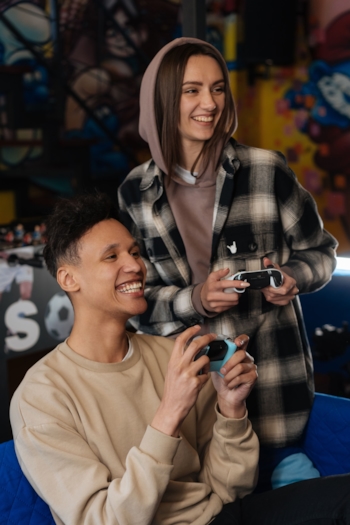
Competitive gaming is not just a hobby - for serious players, it is a genuine commitment with its own training demands, emotional intensity, and community identity. Dating as a competitive gamer means finding someone who genuinely understands and respects that commitment, not just tolerates it. This guide is for players who take ranked seriously and want relationships built on honest foundations.
Your Competitive Drive Is an Asset, Not a Problem
The qualities that make someone genuinely competitive - determination, persistence, willingness to analyse failure, sustained focus on improvement - are exceptional relationship qualities when they are applied to the right things. Competitive gamers who understand how to motivate themselves toward long-term goals, tolerate the frustration of falling short, and maintain commitment to improvement through setbacks are bringing exactly those capacities to their relationships.
Do not apologise for caring about your rank, your improvement, or your performance. Those things matter to you because you are someone who cares deeply about doing things well. The right partner will find that drive attractive, not threatening.
The Emotional Reality of Ranked Play
Ranked sessions create real emotional intensity - the highs of a well-executed match and the lows of a loss streak affect most competitive players in ways they cannot simply switch off. This emotional reality needs to be communicated honestly to a partner, especially one who does not game competitively themselves.
The key distinction to make clear is between the emotional intensity being a feature of the activity and it being a feature of the relationship. A bad rank session that spills into the evening as general irritability is not about the relationship - but your partner needs enough context to understand that, and you need to be honest about managing the bleed-over rather than directing frustration in unhelpful directions.
Training and Schedule Negotiation
Competitive gaming involves real time commitments - practice sessions, team scrims, tournament schedules, ladder hours during rank seasons. Being upfront about these commitments from the beginning of a relationship is far better than having them appear as surprising demands later. A partner who understands from the start that certain evenings are practice nights can plan around them; a partner who discovers them after the relationship is established will experience them as things being kept from them.
Schedule negotiation in relationships is just negotiation - it is the normal process of working out how two people's lives and commitments fit together. Your competitive gaming commitments are legitimate inputs to that negotiation, the same as work demands, exercise routines, or social commitments. They do not require apology; they require honest communication.
Finding a Partner Who Is Also Competitive
Many competitive gamers find that the most naturally compatible partners are other competitive gamers - not necessarily in the same game, but people who understand the internal world of caring deeply about performance and improvement. The shared language of ranked anxiety, ELO hell, practice routines, and the particular frustration of a match thrown by a bad teammate is a genuine bonding context.
Competitive gamer couples also tend to navigate the time commitment more naturally because both people have equivalent demands on their time. The negotiation is between two schedules that both include gaming commitments, which is structurally more equal than the common asymmetry of one competitive gamer and one non-gaming partner.
Managing Loss and Frustration in Relationship Context
The emotional regulation required after a bad ranked session is a real relationship skill. A partner who consistently brings loss frustration into shared time, who is unreachable or unpleasant after a rank drop, or who processes competitive stress by being difficult in the relationship is creating a problem that needs addressing.
Developing a clear decompression routine - a break between ranked play and shared time, a physical transition like a walk or a shower, a specific communication signal that you need a few minutes - protects the relationship from gaming-specific emotional bleed. It is not about suppressing your emotional response to competition; it is about managing when and how it enters your shared space.
When to Step Back From Rank for the Relationship
Competitive gaming creates seasons - rank season pushes, tournament periods, grinding stretches. Recognising when a particular competitive period is taking disproportionate time and emotional resources from the relationship, and being willing to name that and adjust, is an important relationship skill.
This is not about choosing between gaming and the relationship - it is about recognising that relationships need periodic attention and investment to thrive, and that consistently prioritising ranked sessions over that investment has cumulative costs. The best competitive gamers in relationships are the ones who treat relationship investment with the same strategic intentionality they bring to their rank progression.
Frequently Asked Questions
-
Should I date another competitive gamer?
It is often easier - shared understanding of competitive drive, equivalent time commitments, and a built-in language for the emotional experience of ranked play. But many excellent competitive gamer relationships involve one competitive player and a partner who plays casually or does not game, as long as that partner genuinely understands and respects the commitment rather than tolerating it under sufferance.
-
How do I explain competitive gaming to a partner who does not play?
The most accessible frame is comparison to a competitive sport - playing in a ranked league is genuinely analogous to playing in an amateur sports league, with the same emotional investment, training demands, and schedule implications. Most people understand what it means to train for something you care about, even if they do not understand the specific game.
-
How do I stop ranked frustration affecting my relationship?
Develop a decompression routine that creates a clear transition between ranked play and shared time. Communicate to your partner what you need immediately after a difficult session - whether that is quiet time, venting support, or simply a twenty-minute break before engaging with the relationship. Consistency in this routine protects the relationship from the emotional bleed of competitive frustration.