
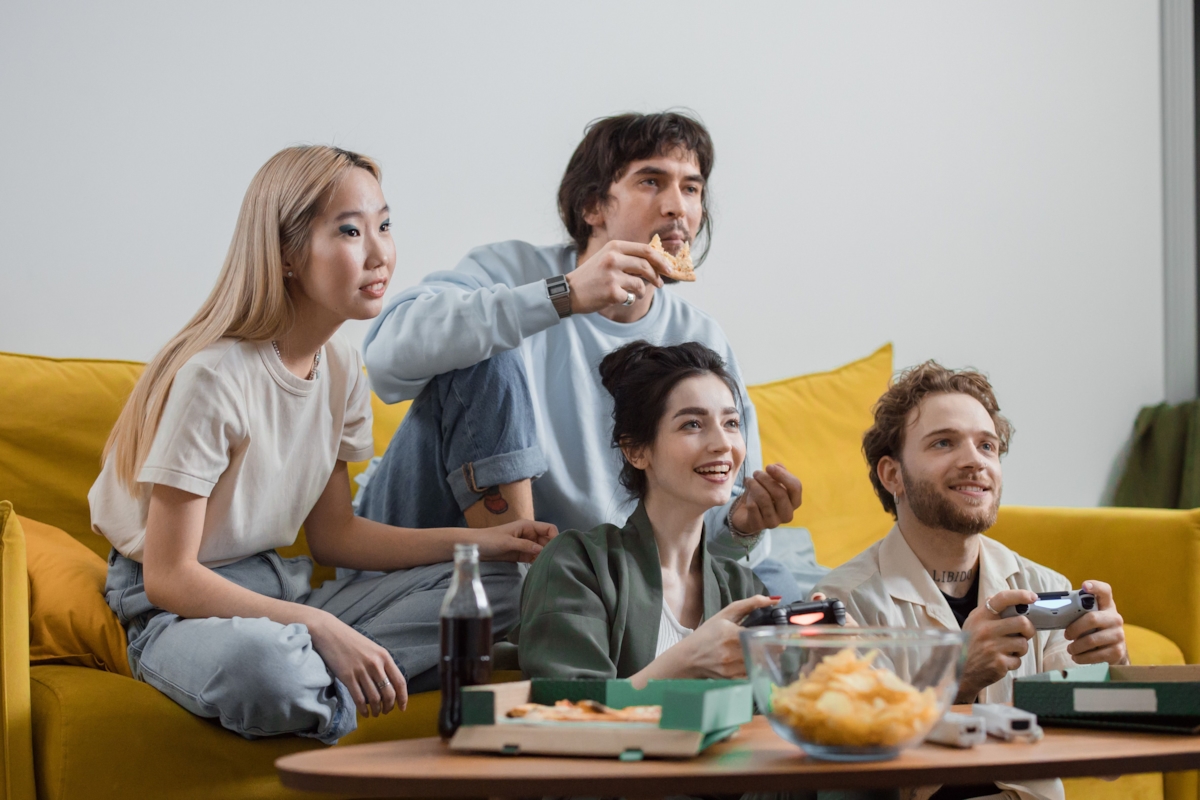
Game streaming — watching other people play video games live or on demand — is a genuinely large part of gaming culture that people outside gaming communities often struggle to understand. The question "why would you watch someone else play a game?" has good answers that are worth understanding for anyone in a relationship with a serious gamer or gaming content creator.
Why Gamers Watch Other Gamers
Gaming streams serve several genuine purposes that non-gaming parallels illuminate. Learning content: watching skilled players play a game you are developing at is exactly analogous to watching professional sports to understand better play. Entertainment: top streamers are performers whose entertainment value comes from personality, commentary, and reaction as much as from gameplay. Community: regular streamers build genuine communities whose interaction with each other and the streamer is a significant part of the appeal — more social club than passive viewing.
The question "why watch someone else play" applies equally to "why watch professional sports?" — the answer in both cases is that watching skilled performers is entertaining, educational, and community-generating in ways that personal participation is not.
Twitch: The Primary Gaming Platform
Twitch is the dominant live gaming streaming platform, with millions of concurrent viewers across thousands of simultaneous streams. Twitch is almost always available in real time — what you are watching is happening now, with live chat creating a communal viewing experience.
Twitch categories include gaming content (by specific game), creative content (art, music production), talk shows, and IRL (real life) content. The live format creates a specific relationship between streamers and their communities that differs from pre-recorded video — regular viewers develop genuine parasocial relationships with streamers they watch consistently.
YouTube Gaming: On-Demand Content
YouTube Gaming provides the gaming version of standard video content — on-demand game videos including let's plays (commentated playthroughs), walkthroughs, reviews, and highlights. Unlike Twitch's live format, YouTube content is produced and edited before release.
Many of the most-watched gaming content creators primarily use YouTube rather than or alongside Twitch: Markiplier, Jacksepticeye, videogamedunkey, and hundreds of others have built large audiences around their specific style of gaming commentary. Gaming YouTube content is often more polished and accessible than live Twitch streams.
Kick and Emerging Platforms
Kick is a newer streaming platform that emerged as an alternative to Twitch, with different content policies that have attracted specific streaming communities. Understanding Kick is less essential than understanding Twitch and YouTube for most purposes, but it is worth knowing it exists as part of the streaming ecosystem.
Other platforms with gaming content: Facebook Gaming (smaller but active), Steam's broadcast feature (allows streaming to Steam friends), and Discord's screen-sharing features (more community-focused than public broadcasting). The ecosystem is broader than Twitch and YouTube alone.
Chat Culture and the Streaming Community Experience
The live chat on a gaming stream is an active community rather than a passive comment section. Regular viewers develop relationships with each other and shared language that references the specific stream's history and inside jokes. "Chat" is treated as an entity in itself — streamers ask chat questions, react to chat responses, and create content in dialogue with their audience.
For partners of regular viewers, understanding that watching a stream involves participating in chat culture (even passively) explains the social dimension of streaming viewership. Someone watching a favourite streamer is not having a solitary experience; they are participating in a community activity.
When Your Partner Streams
Partners of streamers face specific relationship dynamics distinct from partners of stream viewers. Streaming requires consistent scheduling, sustained on-camera presence, and community management that constitutes genuine work with real obligations. The audience relationship is professional and community-based rather than personal.
Understanding streaming as a legitimate creative and community-building activity — rather than gaming with an audience as a vanity add-on — is the foundation for supporting a streaming partner appropriately. The schedule demands, the emotional labour, and the community relationships are all genuine dimensions of streaming work.
Frequently Asked Questions
Why do gamers watch other people play video games?
For the same reasons people watch professional sports or YouTube tutorials: entertainment from skilled performance, learning from watching better players, and community participation in a shared viewing experience. Gaming streams also have specific appeal in the live format — real-time chat interaction creates a communal experience that pre-recorded video cannot replicate.
What is the difference between Twitch and YouTube Gaming?
Twitch is primarily live streaming — what you watch is happening now, with live chat creating a communal real-time experience. YouTube Gaming is primarily on-demand — content is produced and edited before release, with comment rather than live chat. Twitch is better for community and live events; YouTube is better for polished educational and entertainment content.
Is watching gaming streams a waste of time?
No more than watching any other form of entertainment. Gaming streams provide entertainment, learning, and genuine community participation — the same things sports viewing, hobby YouTube, and other screen time provide. The question of whether any specific stream is worth someone's time is the same question asked of any entertainment choice, not a unique concern about gaming content.