
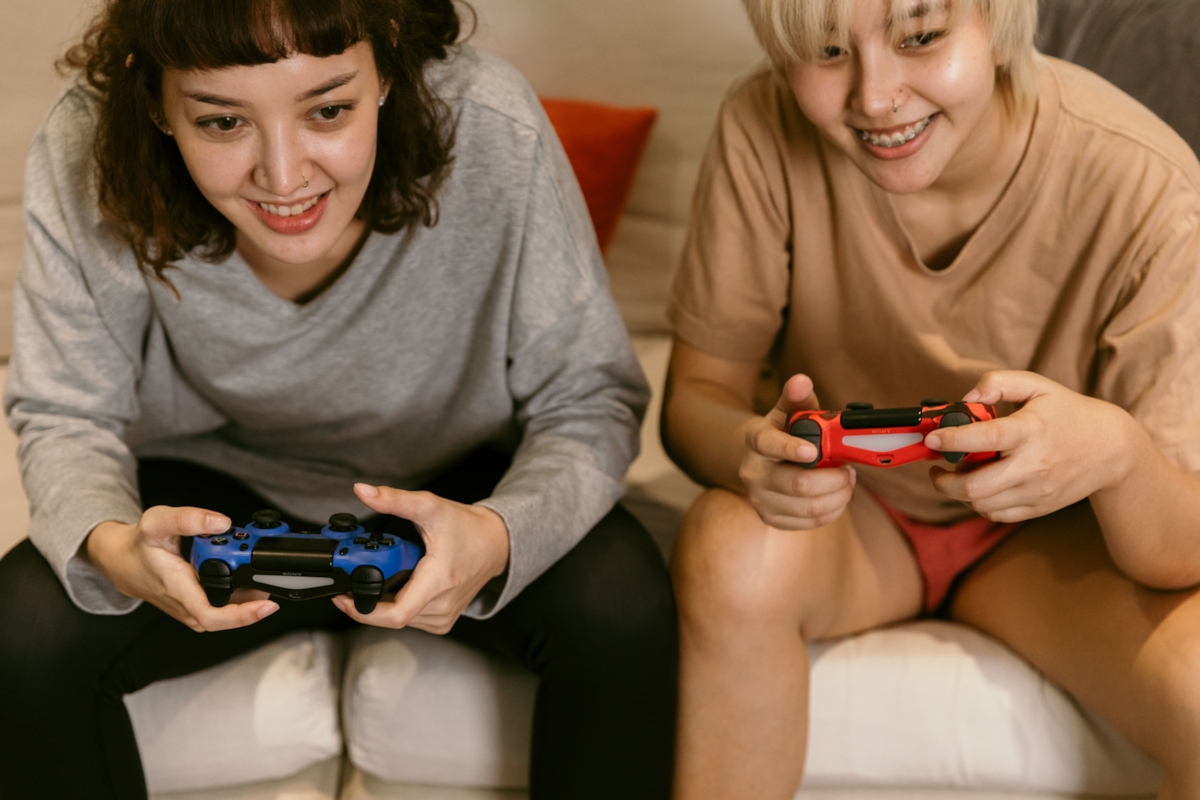
Not all gamers want the same things from games — and by extension, not all gamers want the same things from relationships. Gaming personality research, building on Richard Bartle's foundational taxonomy of online player types, has identified consistent patterns in what motivates gamers and how those motivations extend into personality more broadly. Understanding your gaming personality type — and your potential partner's — offers genuine insight into compatibility.
Type 1: The Achiever
Achievers are motivated by accomplishment — completing content, earning achievements, building collections, reaching the highest competitive ranks. They derive satisfaction from clear markers of progress and completion. The Achiever has probably platinumed games they did not entirely enjoy, has their gaming profile visible and well-organised, and knows exactly what percentage of each game they have completed.
In relationships: Achievers bring the same goal-orientation and follow-through to relationships that they bring to gaming. They set relationship goals, work toward them, and feel genuine satisfaction from relationship milestones. The risk is applying achievement-thinking to relationships in ways that miss the process — focusing on relationship milestones as checkboxes rather than as genuine development. Compatible with: Socialisers (who bring warmth to balance the goal-focus) and other Achievers (who understand the drive).
Type 2: The Explorer
Explorers are motivated by discovery — finding hidden content, understanding how game systems work, going off the main path, experiencing what a game world has to offer beyond the obvious. They are curious, patient, and genuinely interested in the breadth of what exists rather than the depth of any one thing.
In relationships: Explorers bring genuine curiosity about their partner — interest in who the other person actually is beyond the obvious, patience for gradual discovery, comfort with the journey rather than the destination. They may resist relationship structures that feel like following a predetermined path. Compatible with: Creatives (who share the exploratory orientation) and Achievers (who provide the goal-framework Explorers sometimes lack).
Type 3: The Socialiser
Socialisers are primarily motivated by the people in games rather than the games themselves. The content is secondary to the community — they are in FFXIV for the FC, they are in Among Us for the social dynamics, they are in Minecraft because building with friends is more interesting than building alone. Socialisers have the deepest gaming community ties and the most developed gaming friendships.
In relationships: Socialisers are typically the most naturally relationship-oriented gaming type — they bring genuine warmth, investment in the partner's social world, and care for the emotional dimension of the relationship. They may prioritise relationship harmony over necessary conflict, which can occasionally mean avoiding difficult conversations. Compatible with: any type, but particularly well-matched with Achievers (who provide motivation) and other Socialisers.
Type 4: The Competitor
Competitors are motivated by winning — specifically by winning against other people. Pure PvP, ranked modes, and competitive leaderboards are their natural habitat. They care about skill development to the extent that it produces better outcomes against opponents. The Competitor probably has tracker apps for their stats, reviews their gameplay footage, and has strong opinions about the competitive meta.
In relationships: Competitors bring directness, high standards, and genuine performance orientation to relationships. They tend to communicate clearly and handle conflict directly rather than avoiding it. The risk is applying competitive orientation to relationships — treating disagreements as contests to win rather than problems to solve together. Compatible with: other Competitors who understand the drive, and Socialisers who can moderate the competitive edge with warmth.
Type 5: the Creative
Creatives are motivated by making things — building in Minecraft, designing in The Sims, creating characters in RPG character creators, modding games, running TTRPG campaigns. The game is a medium for creation rather than a system to be mastered or content to be consumed. Creatives often have the most distinctive gaming personalities because their gaming output is genuinely individual.
In relationships: Creatives bring genuine originality and care to relationships — they think about how to make the relationship interesting, memorable, and personal in ways that reflect their creative investment. They may find conventional relationship scripts constraining and prefer relationships with room for genuine individual expression. Compatible with: Explorers (shared curiosity and discovery orientation) and Socialisers (who appreciate the care and thoughtfulness).
Type 6: The Immersionist
Immersionists are motivated by narrative depth and emotional engagement with game stories and characters. They care intensely about lore, character development, and the emotional experience of a game's story. They are most likely to be found playing story-driven RPGs, completing all dialogue options, and being genuinely affected by narrative outcomes.
In relationships: Immersionists bring depth of emotional engagement and genuine care about the narrative of the relationship — the story of how two people developed, the meaningful moments, the emotional authenticity of the connection. They may have high expectations for emotional depth and honesty. Compatible with: other Immersionists (who share the depth of engagement) and Socialisers (who provide warmth and community alongside the narrative depth).
Frequently Asked Questions
What is the most common gamer personality type?
Most gamers are blends of multiple types rather than pure representatives of one. Socialiser and Achiever elements tend to be broadly common across the gaming population. Pure Competitors and pure Explorers are more specific types. The most useful application of gamer personality types is identifying your dominant motivation (what do you enjoy most about gaming?) rather than fitting yourself into a single category.
Do gamer personality types predict relationship compatibility?
Partially and usefully. Gaming motivations reflect genuine personality tendencies that extend into relationships — Achievers' goal-orientation, Socialisers' warmth, Competitors' directness. The cross-type compatibilities described in each section are real tendencies rather than rules. More useful than type-matching is understanding what motivates a potential partner and whether those motivations fit with yours.
Can your gamer personality type change?
Yes, significantly over time and life stage. Young competitive gamers often shift toward more social or creative gaming as they age. Life events (less available time, parenting, changing social priorities) shift gaming motivation. Your gamer personality type describes your current primary motivation, not a fixed trait — and it is worth revisiting as your gaming life evolves.