
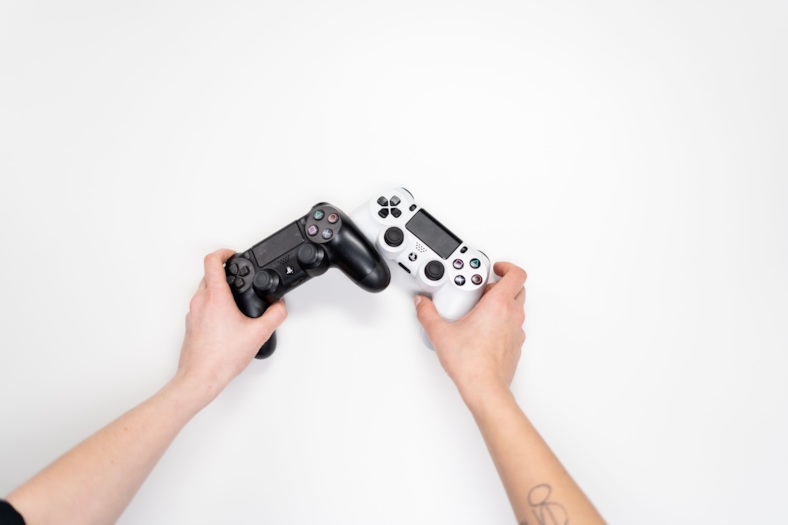
Gaming couples consistently report their co-op sessions as some of the best quality time in their relationship. There is something about the shared screen, the mutual investment in a goal, and the communication that good co-op play requires that produces a particular kind of closeness - more active than watching a film together, more playful than most shared hobbies, and structured enough to make the time feel like it genuinely happened. But gaming together is not automatically great. The wrong game choice, or the wrong approach to skill differences, can make it a source of frustration rather than fun.
Why Co-op Gaming Is Genuinely Good for Relationships
Research on relationships consistently shows that couples who share activities - particularly active, engaging activities rather than passive ones - report higher satisfaction and feel more connected over time. Gaming is unusually well-suited to this. A co-op game session requires genuine communication, real-time cooperation, shared decision-making, and often quick mutual adaptation when things go wrong. These are all relationship skills being practiced in a low-stakes, inherently enjoyable context.
The communication that gaming demands is also revealing in productive ways. How does your partner respond when a plan fails? Do they blame, problem-solve, or laugh? How do they handle the gap between their expectations and the reality of a difficult section? How do they treat a struggling teammate - which in this context is you? These small data points accumulate into a genuine picture of character that passive shared activities rarely produce.
There is also the element of shared triumph. Completing a difficult section of a co-op game together produces a specific kind of shared joy - the immediate, unambiguous feeling of having accomplished something together, often against a degree of opposition. Gaming couples describe these moments as some of their most vivid relationship memories. The difficulty is part of what makes the triumph meaningful.
Choosing the Right Game
The single biggest factor in whether gaming together works is game choice. The right game creates engagement, cooperation, and fun. The wrong game creates boredom for one person, frustration for the other, and a dynamic where the more experienced player is essentially carrying or waiting. Getting this right is worth the time it takes.
For couples where both are experienced gamers, the only real question is genre preference. If you enjoy the same genres, find the best-reviewed co-op titles in them. If your preferences differ, alternate - one picks the next game, the other picks the one after. The exposure to each other's preferred genres is itself a relationship benefit.
For couples with a skill gap - one experienced gamer and one who plays rarely or never - the game choice is critical. You want games that are: accessible to beginners without being boring for experienced players, designed so that different skill levels can contribute meaningfully rather than one person carrying the other, and forgiving enough that mistakes do not repeatedly derail the session. Games specifically designed for mixed-skill co-op include Overcooked (though this can become stressful), Stardew Valley, It Takes Two (which actually scales to prevent either player from being redundant), and Minecraft in creative or peaceful mode.
Avoid starting a new gaming-together tradition with a challenging competitive game, a game with a steep learning curve that requires tutorials, or a game where failure is punishing. The goal of the first few shared sessions is to establish that gaming together is fun - everything else follows from that foundation.
Navigating the Skill Gap
Skill gaps are normal and manageable. The key is approach. The more experienced player has two failure modes: taking over (doing things for their partner instead of with them, which is patronising and boring for the other person) and being impatient about mistakes (which creates anxiety and removes the fun entirely). Neither is productive. The experienced player's job is to be a patient, encouraging co-player - offering help when asked, but primarily letting their partner discover the game at their own pace.
The less experienced player has one main challenge: not letting frustration or embarrassment at struggling close off the experience. Games have learning curves, and everyone is bad at something they are new to. A partner who is genuinely invested in making this work will not judge. The willingness to be a beginner at something in front of someone you are trying to impress takes real courage, and a good gaming partner will recognise and honour that.
Communication is the real solution. Talk about what is and is not working. If a game is not working for one player - too difficult, too boring, too stressful - name it and switch. If the session is going well, name that too. The meta-conversation about gaming together is just as important as the session itself.
Building a Shared Gaming Tradition
The couples who report the most satisfaction from gaming together have typically made it a regular part of their routine rather than an occasional thing. A weekly gaming night - blocked in the calendar, treated as real time together rather than default evening activity - gives both people something to look forward to and establishes gaming as a shared relationship practice rather than something one person does while the other is present.
Part of building this tradition is developing a shared gaming history: games you completed together, moments you both remember, achievements you share. Each of these adds to the relationship's shared narrative. The couple who has beaten a difficult boss together, or completed a co-op campaign, or built a world in Minecraft has something that is genuinely theirs - a shared accomplishment that did not exist before them.
Over time, gaming together also builds a kind of cooperative shorthand - the wordless communication of people who know how the other plays. This shorthand is intimate in the specific way that comes from sustained shared practice, and it extends beyond the game into how you navigate other things together. The teamwork that gaming builds is real teamwork.
When Gaming Together Does Not Work
Sometimes gaming together genuinely does not work for a couple - one person is completely uninterested, or the skill gap is so large and the game options so limited that it consistently feels more like frustration than fun. This is entirely okay. Gaming does not need to be a shared activity for a gamer relationship to work. What matters is that the gaming partner's solo gaming time is respected, and that the couple finds other shared activities that work for both of them. Gaming couples include plenty of couples where one person games and the other reads, runs, or paints - and the relationship is excellent.
If gaming together has not worked in the past, it is worth trying a different type of game before concluding it cannot work. Many couples find that the game they connect on is not obviously the right fit on paper - it might be a cozy farming game for a couple where one person is a competitive FPS player, or a casual puzzle game for someone who exclusively plays narrative RPGs solo. The shared game does not need to be anyone's favourite game to be the game you love playing together.
Frequently Asked Questions
-
What is the best cooperative game for couples?
It Takes Two is widely considered the best co-op game for couples - it was specifically designed around themes of partnership and communication, and it requires genuine cooperation to progress. Stardew Valley co-op is excellent for couples who prefer a slower, more collaborative pace. For more action-oriented couples, Minecraft, No Man's Sky, and Portal 2 are consistently recommended. The best game is always the one where both players feel genuinely engaged rather than one person waiting for the other to catch up.
-
How do couples handle skill gaps in gaming?
The key is choosing games designed for different skill levels, and approaching the gap with patience on both sides. More experienced players should resist the urge to take over when a partner struggles - the learning process is part of the fun. Less experienced players should feel comfortable asking for help without embarrassment. Co-op games with flexible difficulty settings, or games where each player has a distinct role that plays to their strengths, tend to handle skill gaps the best.
-
Is it okay if one of us doesn't like gaming?
Entirely. Many successful gamer relationships involve one dedicated gamer and one partner who engages occasionally or not at all. The key is mutual respect: the gamer respects their partner's non-gaming time and does not pressure them to participate, and the non-gaming partner respects gaming time rather than treating it as wasted time. When both people are genuinely curious about each other's interests - even if they do not share them - the relationship thrives.