
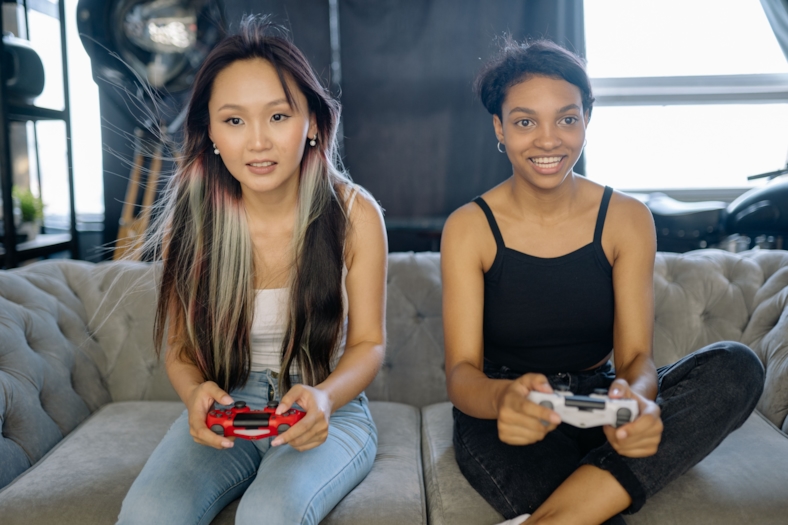
Streaming has grown from a niche gaming activity into one of the most significant cultural phenomena of the last decade. Twitch, YouTube Gaming, and a handful of other platforms host millions of live broadcasts daily, and the people doing the streaming range from part-time hobbyists to full-time content creators whose streaming income sustains their lives. Dating someone who streams means dating someone for whom gaming has an additional dimension: it is not just a hobby but a performance, a community, and often a career.
Understanding what that means in practice - what the streaming life actually looks like from the inside - is the foundation of making this relationship work. The challenges are real but specific, and knowing them in advance is most of what it takes to navigate them well.
The Streaming Schedule and What It Actually Demands
Streaming consistently is fundamentally a scheduling commitment. A streamer who shows up at irregular, unpredictable times does not build an audience; audiences come back when they know when to find you. This means successful streaming depends on consistent, scheduled stream times - particular days and hours that the streamer commits to and the audience learns to expect. For a partner, this schedule is the first thing to understand clearly.
Unlike MMO raid nights, streaming schedules can vary significantly between streamers - some stream four hours on weekday evenings, others stream weekend afternoons, others have irregular schedules that reflect their life circumstances. What matters for a relationship is not the specific schedule but how clearly it is communicated and how consistently it is maintained. A streamer who is honest about their schedule early in a relationship - "I stream Tuesday, Wednesday, and Friday evenings from 7 to 11" - gives a partner the information they need to structure their own time accordingly. A streamer who is vague or inconsistent about their schedule creates the kind of ambiguity that produces resentment.
Stream preparation time is often underestimated by people who have not been inside streaming culture. Beyond the stream itself, there is typically time spent on planning content, setting up technical equipment, managing community channels like Discord, creating graphics and overlays, and reviewing past streams. Streaming at a serious level is genuinely time-intensive in ways that are not always visible to someone whose main exposure to it is watching a finished stream. Understanding this helps reframe the time demand as what it actually is: a creative and professional practice, not just extended gaming.
The Public-Facing Dimension: Audience, Persona, and Privacy
The most distinctive feature of dating a streamer - as opposed to dating any other kind of gamer - is that their gaming is public. Hundreds or thousands of people may watch, and within those audiences, some percentage will develop genuine investment in the streamer as a person. This creates dynamics that do not exist in any other type of gaming relationship.
The streamer's on-stream persona may differ from their private self in meaningful ways. Many streamers are more performatively energetic, more extroverted, or more comedically exaggerated on stream than they are in private life - this is not inauthenticity, it is the same kind of professional persona adjustment that a teacher, a performer, or a customer service worker makes. Understanding that the on-stream version of your partner is a real but curated facet of who they are - not a fraud and not the complete picture - helps enormously.
Privacy in a streaming relationship requires explicit, ongoing negotiation. Many streamers choose to keep their romantic relationships entirely private from their audience - not appearing on stream, not being referenced by name, existing completely separately from the streaming life. Others share a general reference ("I have a partner") without detail. Only a small number of streaming couples choose to make the relationship part of their streaming identity. All of these approaches are legitimate; what matters is that both people agree on the level of disclosure and that neither person is pressured into more or less visibility than they want.
The question of whether to appear on stream at all is the most concrete privacy decision a streaming couple faces. The answer should come from the partner who is not the streamer, not from the streamer. Any partner who chooses not to appear on stream - for any reason or no stated reason - is making a completely reasonable choice that deserves full respect. A streamer who pressures a partner to appear, frames it as content help, or treats resistance as an obstacle is not handling the dynamic appropriately.
The Audience: Understanding Who They Are
A streamer's audience is a real community - people who return regularly, who interact in chat, who become familiar with the streamer as a person over time, and who often develop genuine affection for them. This is one of the remarkable things about streaming culture: it creates parasocial connections that, at their best, produce genuine community. At their most challenging, these connections can feel threatening to a partner who does not understand what they actually are.
The most important thing to understand about streamer audiences is the distinction between parasocial investment and reciprocal relationship. Audience members who feel a deep connection to a streamer are experiencing parasocial attachment - one-directional affection built on one-way observation. The streamer does not have a relationship with their audience members in the way that they have a relationship with their partner. The warmth and attention a streamer projects toward their chat is a professional and creative output, analogous to the warmth a performer projects from a stage. It is real and genuine in its way, but it is categorically different from the intimacy of a private relationship.
This distinction matters practically when a partner feels jealous of the attention their streaming partner gives to their audience. The jealousy is understandable - watching your partner be charming, warm, and engaged with hundreds of other people is unfamiliar and can trigger insecurity. But the frame of "attention being redirected away from me" is not accurate to what is actually happening. The streamer is performing a creative output that exists in a completely separate register from their private relationship. Framing streaming as a career or creative practice - rather than as social time that the partner could be having instead - helps many partners process this dynamic more clearly.
When Streaming Is a Career or Significant Income Source
For streamers who earn meaningful income from their content - through subscriptions, donations, sponsorships, or affiliated income - streaming is not a hobby but a job. This changes the dynamic of the relationship in important ways. Streaming schedule conflicts are not hobby conflicts; they are work schedule conflicts. Decisions about stream content, platform choices, and audience management are professional decisions. Growth efforts - networking with other streamers, attending gaming events for networking purposes, engaging more heavily with the community during growth phases - are career development activities.
Dating a streaming-career person requires the same flexibility and understanding that dating any self-employed or creative-career person requires. The schedule may be irregular during growth phases. Income may be variable. The boundary between work time and personal time may be blurry in ways that require ongoing conversation. These are not gaming-specific challenges; they are the familiar challenges of any relationship where one partner's income source is unconventional. The approach that works is treating streaming income as what it is - a real economic contribution that deserves the same respect as any other form of income - and negotiating the work-life balance as explicitly as you would in any other mixed-career relationship.
Building a Partnership That Works
The streaming relationships that work best long-term are those where both people have their own independent lives - their own interests, social connections, and activities that exist completely separately from streaming. A partner who fills streaming time with their own meaningful activities, rather than waiting for streaming to end, is building exactly the kind of independence that both people need. A partner who has nothing to do during stream times tends to accumulate resentment that is not actually about streaming.
Watching your partner's stream occasionally - when you genuinely want to, not as an obligation - is a meaningful act of support. Engaging with the community through their Discord or in chat (if you are comfortable) gives you firsthand experience of what the streaming world is like, and it shows your partner that you take their whole life seriously. Some partners of streamers become genuinely beloved by the community in their own right, which creates an additional shared social context. None of this is required - but the option is there if it feels natural.
The most important practice in any streaming relationship is consistent, honest conversation about how both people are experiencing the dynamic. Streaming involves enough unusual features - public audience, scheduled commitments, income dependence, community relationships - that regular check-ins about what is working and what needs adjustment are more valuable than in most relationships. The streamer who asks their partner how they are finding the balance, and who listens genuinely rather than defensively, is demonstrating exactly the commitment and communication that a streaming relationship needs to thrive.
Frequently Asked Questions
-
Is it hard to date a streamer?
Dating a streamer has specific challenges that are different from dating other types of gamers - primarily the schedule rigidity, the public-facing dimension, and the fact that streaming is often both a hobby and a business. But these are manageable challenges rather than fundamental incompatibilities. The streamers who have the healthiest relationship dynamics tend to be those who communicate clearly about the streaming schedule, are transparent with their partner about audience interactions, and are deliberate about keeping relationship time genuinely separate from streaming time. The challenges are real but navigable.
-
Do I have to appear on stream if I date a streamer?
Absolutely not, and any streamer who pressures a partner to appear on stream against their wishes is not handling the relationship dynamic appropriately. Many streamers choose to keep their relationships entirely private from their audience - a legitimate and common decision. Others may reference a partner occasionally without naming or showing them. Only the partner should decide how visible they are in streaming content, and that decision should be made without pressure and can change at any time. Privacy in a relationship is not incompatible with streaming publicly.
-
What if I feel jealous of my streaming partner's audience?
Some jealousy about a partner's attention being shared with an audience is understandable, especially early in the relationship when the dynamics are unfamiliar. The key distinction is between the streamer's performance persona and their private self - the warmth and attention they project toward an audience is a professional and creative output, not an emotional supply that is being redirected away from the relationship. Framing streaming as a creative career rather than a rival for their attention helps enormously. If the jealousy persists or intensifies, it is worth a direct, honest conversation about your needs rather than letting it accumulate.